
Traditional Santorini Fava Recipe
About This Dish
Unlike common split pea soups, authentic Santorini Fava (PDO) is made exclusively from Lathyrus clymenum, a yellow pea species cultivated on the island for over 3,500 years. The island’s mineral-rich volcanic ash soil, hot sun, and harsh sea breezes give this pulse its naturally sweet, velvety texture and deep, complex flavor without needing heavy cream or flour. Served warm or at room temperature with extra virgin olive oil, sweet onions, and capers, it is the quintessential Santorini meze found at every seaside tavern.
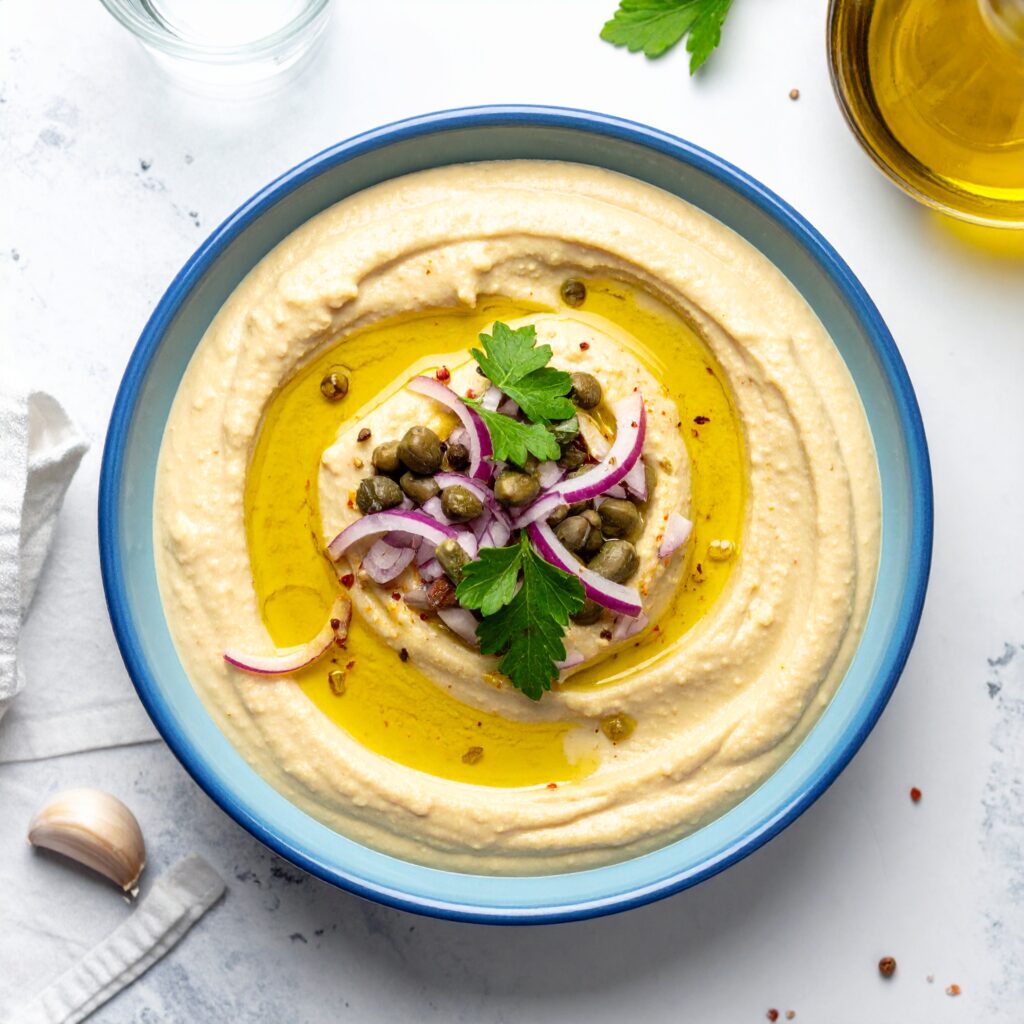
Tips:
Never rush the skimming: Removing the white starch foam during the first few minutes ensures a clean flavor and silky texture.
Thickening as it cools: Fava solidifies as it cools. If making ahead, warm it gently on low heat with a splash of hot water and extra olive oil to restore its creamy consistency.
Local touch: Serve alongside warm pitakalymno (island flatbread) or crusty country bread.
Frequently Asked Questions:
What is fava made from in Santorini?
Santorini Fava is made from dried yellow split seeds of Lathyrus clymenum, an ancient pulse cultivated exclusively in the island’s volcanic soil. It is distinct from broad beans (fava beans) used in other global cuisines.
Is Santorini Fava gluten-free and vegan?
Yes, traditional Santorini Fava is naturally 100% gluten-free, dairy-free, and vegan, making it a staple of the Mediterranean diet and Greek Lenten fasting (Nisteia).
Why is Santorini Fava so expensive compared to regular split peas?
Santorini Fava holds a Protected Designation of Origin (PDO) status. It is dry-farmed in small quantities using traditional manual techniques in volcanic ash, yielding a significantly higher mineral content and richer flavor than mass-market yellow split peas.
Can I store Santorini Fava?
Yes! Store cooked fava in an airtight glass container in the refrigerator for up to 4-5 days. As it cools, the fava will naturally firm up and thicken due to its natural starches. Fava can also be stored in the freezer for up to 6 months. Store it in airtight containers (we prefer food bags for less storage space) and let it defrost either in the fridge overnight or in the microwave for a few minutes. When heating fava make sure to stir regularly to avoid drying out parts that will warm up quicker.
Can I make Santorini Fava ahead of time?
Absolutely! Fava actually tastes even better the next day as the flavors develop. To serve after chilling, warm it gently over low heat with a splash of hot water and a fresh drizzle of extra virgin olive oil to restore its signature silky, velvety texture.
Santorini E-shop - ship it worldwide
Craving the authentic flavors of the Cyclades? You don’t have to wait for your next Greek holiday. Recreate these classic island recipes with the real thing! We ship authentic Cycladic Fava, canned tomatoes, local capers and more directly to your door globally.
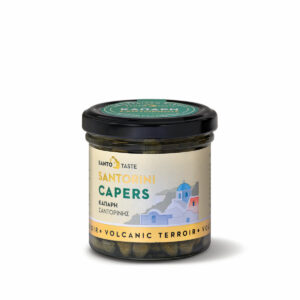
€ 7.00 incl. VAT
€ 17.00 incl. VAT
€ 3.00 incl. VAT
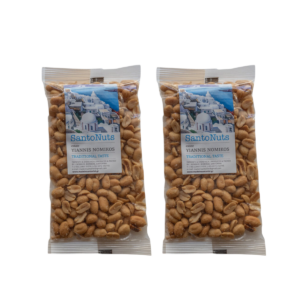
€ 4.00 incl. VAT
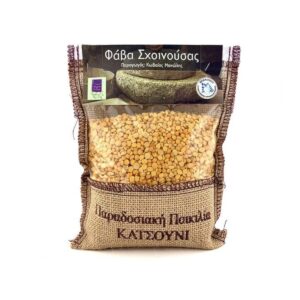
€ 10.90 incl. VAT
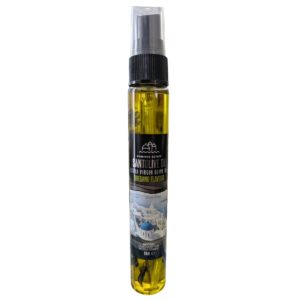
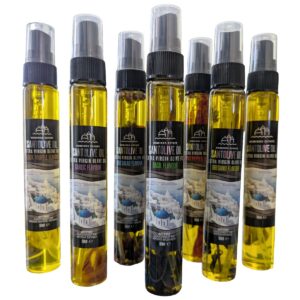
€ 4.20 incl. VAT
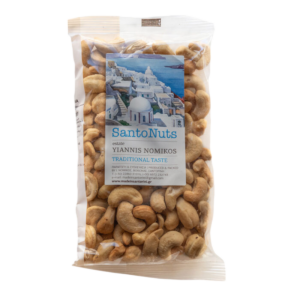
€ 6.50 incl. VAT
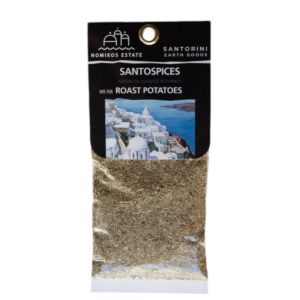
€ 3.00 incl. VAT