
Blog Posts
Agios Fanourios Santorini: Chapels, History & Traditions
Aug
Beyond the postcard views of the caldera, Santorini harbors centuries of island faith preserved within its traditional villages. Among its sacred sites, the veneration of Agios Fanourios (Saint Phanourios) holds a distinct place in local culture, spanning two primary sites on the island.
Who was Saint Fanourios?
Saint Fanourios is revered across Greece as the patron saint of lost things, revealed items, and spiritual guidance. His name derives from the Greek word fanerono, which translates to “I reveal” or “I bring to light.” According to Orthodox tradition, when believers lose a valuable object, seek clarity, or hope for a positive outcome, they pray to Saint Fanourios for help.
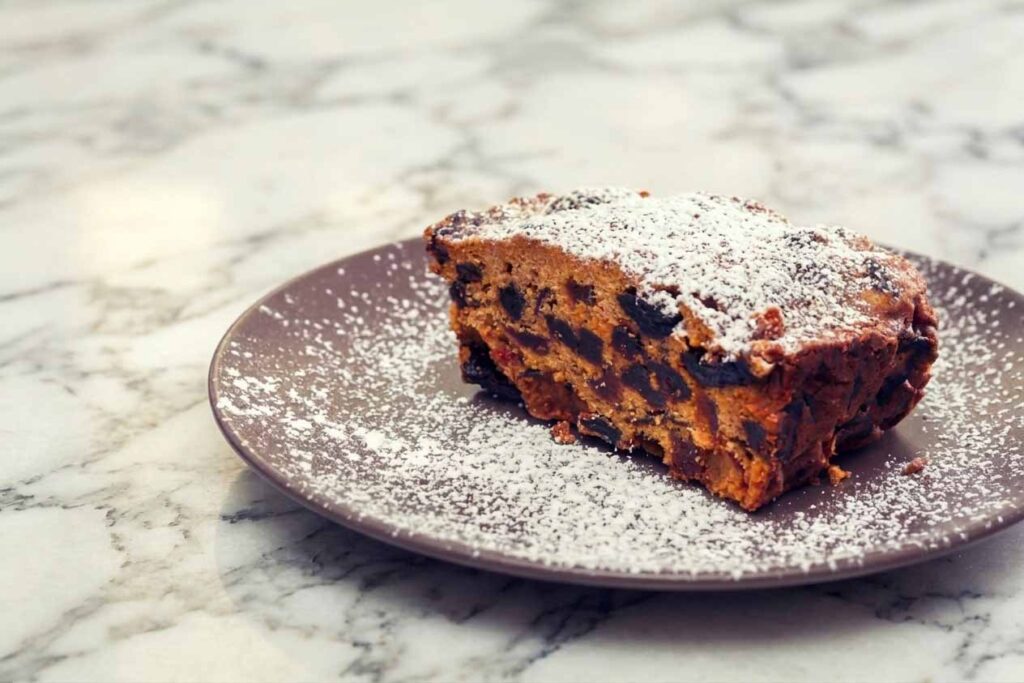
The Local Tradition: Fanouropita
One of the most distinct customs associated with Saint Fanourios takes place on his feast day, celebrated annually on August 27th. Locals bake a traditional spiced cake called Fanouropita using symbolic ingredients. Prepared strictly with an odd number of ingredients, usually 7 or 9 (symbolic numbers in Orthodox tradition), such as flour, olive oil, sugar, orange juice, raisins, nuts, and spices like cinnamon and cloves. The cake is brought to the church during vespers to be blessed by the priest and is then distributed among congregation members and neighbors as an offering for forgiveness and gratitude.
Two Distinct Locations in Santorini
Santorini honors Saint Fanourios across two distinct settings, each reflecting a different period of local religious architecture.
-
Karterados (Kato Chorio): Nestled in the historic Lower Village neighborhood of Karterados sits a traditional chapel dating back around the 15th century. Every year on August 27th, the local village comes alive as it hosts a popular religious festival (panigiri) dedicated to the Saint.
-
Messaria (Ravine of Messaria): Located inside the scenic ravine (lagadi) near the church of Agios Athanasios, this site showcases a traditional cave church (yposkafo). The specific worship of Agios Fanourios is housed directly inside the Holy Cross (Timios Stavros) chapel.
Visiting the Chapel
When visiting religious sites on Santorini, keep respectful attire in mind. The chapel offers a tranquil atmosphere away from the busier tourist hubs, making it an ideal stop for those interested in local architecture, history, and photography.